Banks will "maybe" be done with COBOL... in ten years
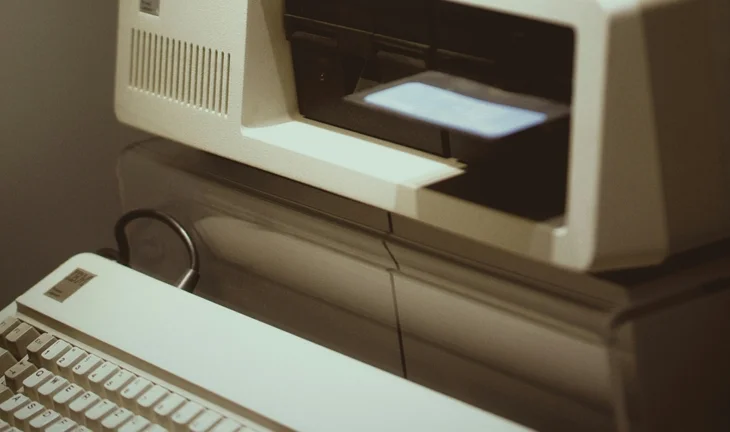
Banks may be adamant on transforming their infrastructure, but old habits (and old technologies) die hard. One such old technology is COBOL, which is a complicated primordial beast of a programming language that banks don't seem to be eliminating any time soon.
Click here to follow our new WhatsApp channel, and get instant news updates straight to your phone 📱.
A panel today at the Finovate Europe conference 2025 illuminated this. Darlene Newman, a former Bear Stearns innovation MD-turned strategic advisor on transformations for banks like UBS, said there are "800 billion lines of COBOL code" in the word but just "24 thousand COBOL developers" in the US to work on them.
Because of their scarcity, those COBOL programmers are expensive for banks to hire. They're said to earn anywhere between $100 per hour and (mythically) $400 per hour, often working as consultant contractors.
Thea Loch, head of digital payments at Lloyds and another Finnovate panelist, said COBOL's days at the bank might finally be numbered; she said that the bank has "started the journey, finally," of getting rid of COBOL. Speaking optimistically, she said "maybe in ten years time, we'll no longer be talking about this."
Newman said that AI will play a big role in the elimination of COBOL. Taking a page out of Goldman Sachs' book, she said the technology has "huge potential in deciphering what is undocumented in most institutions." While AI is thought to be poor at writing COBOL code, there is more promise in using it to analyse existing undocumented code and explaining it to developers who can then work on it more efficiently.
Newman said that this practice "won't get rid of people," but it might cut the number of people needed in times of crisis. As AI makes COBOL code easier to understand, she says the days of "stupid, mundane" P1 incidents with "40 people sitting on a call" will be over.
As their necessity decreases, COBOL developers might then have cause for panic. Banks like Deutsche Bank and DBS have been celebrating the elimination of contractor roles, with the latter directly citing AI as the cause. The so called 'dinosaurs' of banking tech may not go extinct for a while just yet... but their day rate may soon plummet thanks to AI.
Have a confidential story, tip, or comment you’d like to share? Contact: Telegram: @AlexMcMurray, WhatsApp: (+1 269 237 3950). Signal: @AlexMcMurrayEFC.88 Click here to fill in our anonymous form, or email editortips@efinancialcareers.com.
Bear with us if you leave a comment at the bottom of this article: all our comments are moderated by human beings. Sometimes these humans might be asleep, or away from their desks, so it may take a while for your comment to appear. Eventually it will – unless it’s offensive or libelous (in which case it won’t.)